Building Endurance for Longer Rides
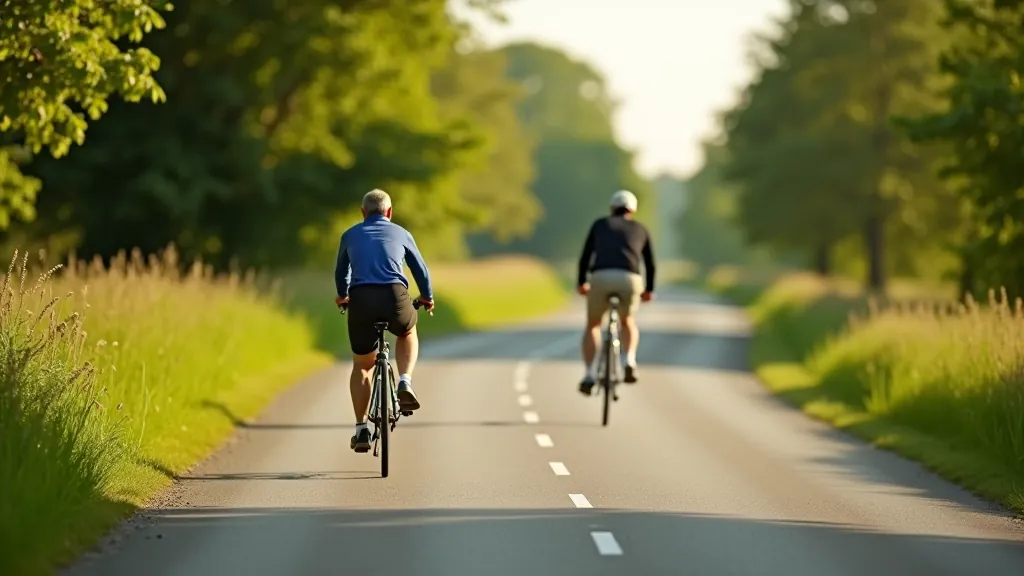
Gradual training approach for increasing your cycling distance without injury. Start small, progress steadily, enjoy more.

Why Gradual Progress Matters
Building cycling endurance isn't about pushing hard from day one. It's about smart, consistent training that lets your body adapt without getting injured. We've seen countless riders get excited, go too far too fast, and then spend weeks recovering from soreness or minor injuries.
The approach that works is simple: start with distances you're comfortable with, add a little more each week, and listen to what your body's telling you. Most people notice real improvements within 6-8 weeks. But the real payoff comes later — when you're riding 40, 50, even 60 kilometers without thinking twice about it.

The 10% Rule
Don't increase your weekly distance by more than 10%. If you're riding 20 kilometers per week, next week should be around 22 kilometers. This simple guideline prevents overuse injuries and keeps you progressing steadily.
Finding Your Starting Point
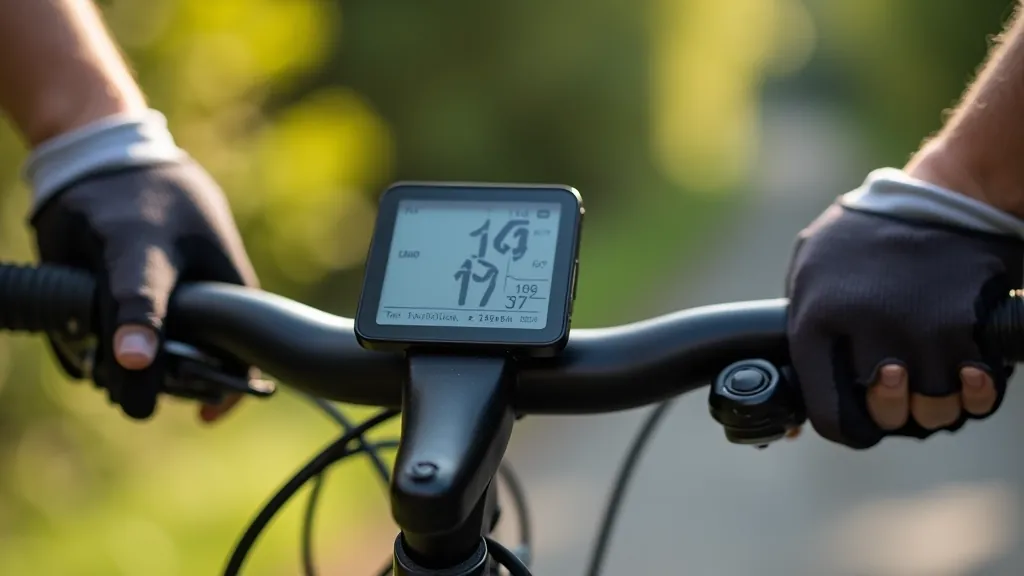
Before you create a training plan, you need to know where you actually stand. This isn't about comparing yourself to anyone else — it's about establishing your baseline. Take a ride at a comfortable pace, one you can sustain while still holding a conversation. How far did you go? How long did it take? That's your starting point.
Some people start at 10 kilometers, others at 25. Neither is better or worse. What matters is that you're honest about where you are right now. This prevents the ego-driven mistakes that lead to burnout or injury. Plus, when you track progress from your actual starting point, the improvements feel even more rewarding.
The Weekly Training Structure
You don't need to ride every single day. In fact, you shouldn't. A solid endurance program includes rest days because that's when your muscles actually adapt and get stronger. Here's what a typical week looks like:
1
Monday: Easy Spin
Short ride at conversational pace. 30-40 minutes. This loosens up your muscles and gets you moving after rest.
2
Wednesday: Moderate Ride
Medium distance at steady pace. 45-60 minutes. This builds your aerobic fitness without pushing too hard.
3
Saturday: Long Ride
Your distance-building ride. This is where you gradually increase. Aim for steady pace, comfortable breathing.
Important Note
This article provides educational information about endurance training for cycling. It's not personalized fitness or medical advice. Everyone's body is different — what works for one person might need adjustment for another. If you have any existing health concerns or injuries, talk with your doctor or a cycling coach before starting a new training program. They can give you guidance specific to your situation.

Fueling Matters
As your rides get longer, you'll need to think about what you're eating and drinking. On rides under 60 minutes, water is usually enough. For anything longer, you're going to want some carbohydrates to keep your energy up. A banana, some energy bars, or sports drinks work well. Don't wait until you're completely exhausted to eat — fuel early and often.
Hydration is critical. Drink small amounts regularly rather than trying to gulp a lot at once. You'll feel better during the ride and recover faster afterward. Many riders find that cycling 3-4 times per week with proper nutrition shows the biggest improvements in their endurance capacity.
Recovery Is Where the Magic Happens
Here's something that surprises a lot of new riders: your actual fitness improvements happen during rest, not during the rides. When you're cycling, you're creating the stimulus for adaptation. But your muscles rebuild stronger during the days after. That's why rest days aren't laziness — they're part of your training plan.
On rest days, you're not sitting completely still. A gentle walk, some light stretching, or easy swimming can help with recovery. The goal is active recovery — moving without stressing your cycling muscles. Most riders find that 3-4 cycling sessions per week with proper rest in between is the sweet spot. You'll see steady progress, stay healthy, and actually enjoy the training.

Ready to Start Building Your Endurance?
The key is consistency and patience. You don't need fancy equipment or perfect conditions — just a bike, some routes you enjoy, and a plan to progress gradually. Most riders are surprised at how far they can go after just a few months of steady training.
Explore More Cycling GuidesMore Cycling Resources
Planning a Half-Day Wine Region Cycling Tour
Read Article