
Why Rural Routes Need Different Thinking
Rural cycling isn't like riding through town. There's no traffic light rhythm, fewer people around to notice if something goes wrong, and you're often far from help. But that doesn't mean it's dangerous — you just need to understand what's different.
The roads are quieter, sure. You'll get long stretches without seeing a car. That's actually nice. The real issue is when you do meet traffic, they're often going faster because the road's empty. Drivers aren't expecting cyclists on country roads the way they do in towns. You're less visible, and visibility is everything out here.
The reality: You need to make yourself impossible to miss. That means bright clothing, working lights, and riding predictably so drivers know what you'll do next.
Visibility: Your First Line of Defense
This isn't about vanity. On rural roads, being seen is survival. You're not protected by traffic patterns or street lights. A driver cresting a hill with sun behind you won't see a dark bike and rider — they'll see nothing.
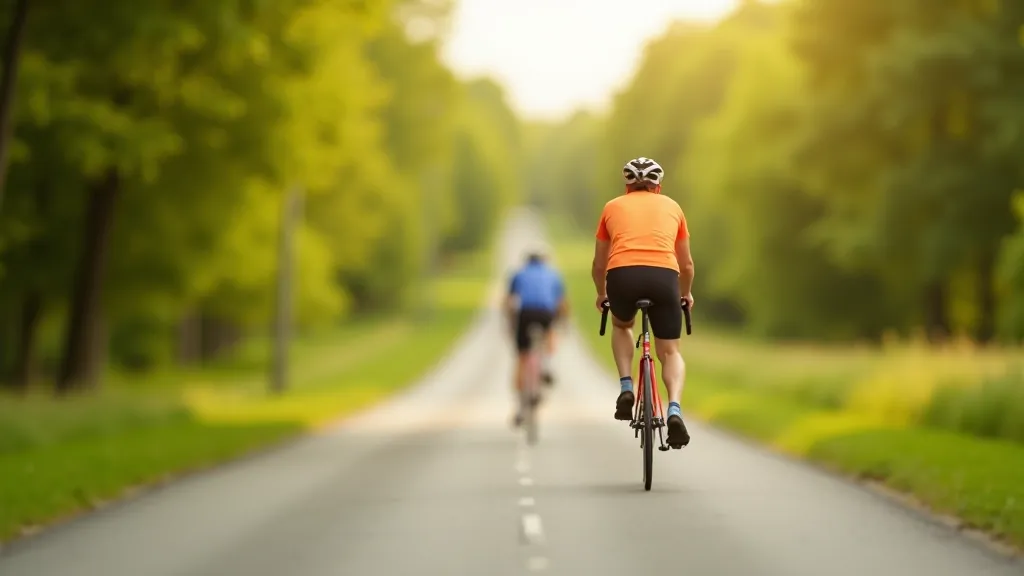
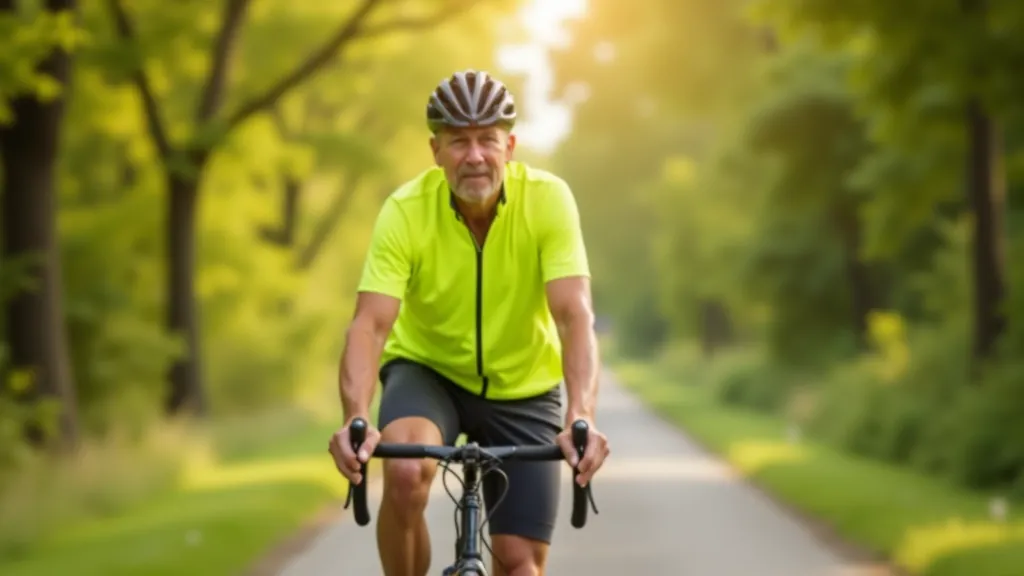
Wear bright colors, specifically fluorescent yellow or orange. Not black, not "tactical" grays. The research is clear: bright colors cut accident rates dramatically. A high-visibility vest over your jacket takes two seconds to put on and works whether it's 9am or dusk.
Your lights matter too. Front white light, rear red light — legally required in most countries, and they work. But don't just rely on them. Steady lights are better than blinking for visibility on country roads. Blinking can actually confuse distance judgment for oncoming drivers.
Navigation Without Getting Lost
Getting lost on a country road means you're out there longer than planned. That's tiring, and tiredness leads to mistakes. You need a solid navigation plan before you leave.
Download your route offline. Don't rely on cellular signal — rural areas have dead zones. Use an app like Maps.me or print a physical map. Seriously, a printed map folds up and doesn't need batteries. Take a photo of it with your phone as backup.
Mark your key waypoints: places you'll turn, a safe spot if you need to stop, somewhere with phone signal if you need help. Riding unfamiliar roads in unfamiliar territory means you're concentrating on navigation instead of traffic. That's a distraction you don't need.
Educational Note
This article provides informational guidance based on cycling safety principles. Always follow local traffic laws, wear appropriate safety gear, and assess your own fitness and skill level. Weather, road conditions, and personal health circumstances vary — adjust your riding accordingly. If you're new to cycling, consider starting with shorter familiar routes before attempting longer rural rides.
What to Carry: The Essentials
You're far from shops and help. What you bring is what you've got. Don't go minimal out of habit.
Carry water — more than you think you'll need. A small puncture kit with a pump, not just patches. A basic multi-tool. Your phone charged. A simple first aid kit: plasters, antiseptic, pain relief. Tell someone where you're going and when you'll be back.
A spare inner tube is genuinely useful. You won't fix a bad puncture with patches. Most people find this out the hard way. Sun cream. A lightweight rain jacket — weather changes quickly in the countryside. A reflective vest takes up almost no space and gets you noticed immediately.
Reading the Road Itself
Rural roads have different hazards than urban cycling. Gravel and loose surfaces appear suddenly. Potholes are bigger. There's often no warning of what's coming because there's no road markings or signage.
Slow down on bends. You can't see what's coming. A car might be on your side of the road. It happens. Go steady, stay on your side. Watch for loose gravel at the road edge — one wheel in gravel and you'll wobble. Stay away from the very edge.
Weather gets dramatic out there. Wind pushes you around. Rain makes surfaces slippery. Early morning or late afternoon sun is in your eyes. These aren't emergency situations, but they're factors. Adjust your speed. You've got time.
Listen too. You'll hear cars coming from far away. That's useful information. Quiet doesn't mean safe — it means you need to be extra alert because there's less ambient noise telling you what's happening around you.
Positioning and Predictability
Ride predictably. Don't weave around potholes suddenly. Don't drift across the road while thinking about scenery. A driver needs to know where you are and what you're doing.
Ride in a straight line, center-left on your side of the road. This sounds obvious but people ride too close to the edge, then suddenly move when they hit something. That unpredictability causes accidents.
When you hear a car coming from behind, keep your line. Don't panic-swerve. If the road's wide enough, you'll pass safely. Most drivers on country roads are respectful — they'll slow and give you space. But you've got to let them see you coming first.
Final Reality Check
Most rural rides are completely uneventful. You'll pedal for hours and see maybe five cars. The scenery's beautiful, you'll get tired, you'll feel good afterward. That's the normal experience.
The safety stuff isn't about being paranoid. It's about stacking small advantages so that the rare moment something goes wrong, you're visible, you're prepared, and you've made good choices. A high-visibility vest, working lights, basic tools, and a charged phone. That's honestly it. You're not going on expedition — you're riding a bike on a country road.
The best safety measure is your own judgment. If something doesn't feel right, it probably isn't. Tired? Stop. Weather turning? Head back. Road's too busy? Pick a quieter route next time. You're riding for enjoyment. If it stops being enjoyable, you've made a mistake somewhere.