
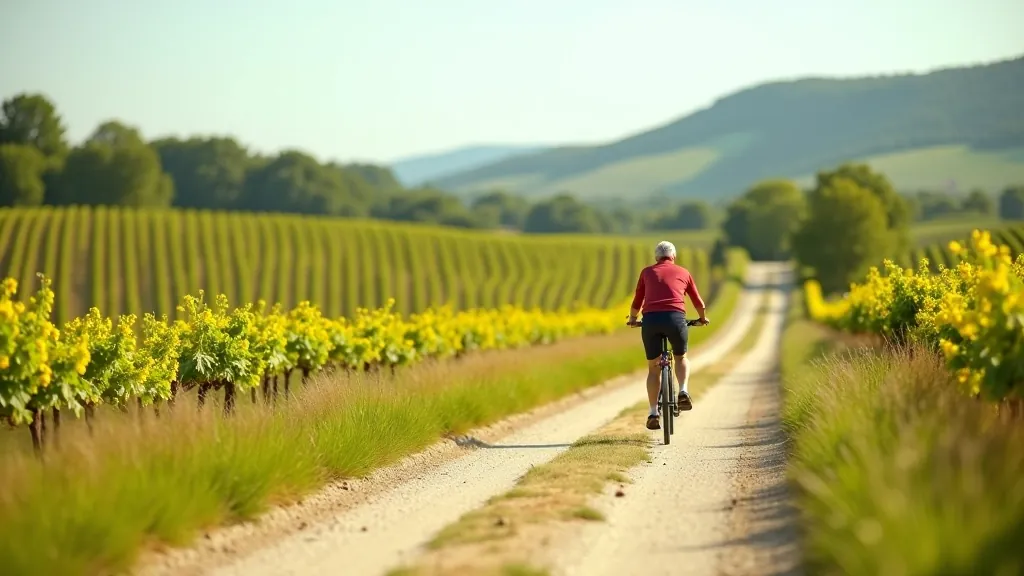
Planning a Half-Day Wine Region Cycling Tour
Tips for structuring a 3-4 hour ride with winery stops, water breaks, and plenty of scenic moments.
Read MoreWhat to look for in a comfortable bike, from seat comfort to frame geometry that won't strain your back.

There's nothing worse than a bike that doesn't fit right. You'll feel it immediately — your back aches, your neck strains, your wrists hurt. But here's the good news: choosing a comfortable bike isn't complicated if you know what matters.
The right bike for gentle cycling isn't about flashy components or lightweight racing frames. It's about geometry, positioning, and those details that make the difference between dreading your ride and genuinely looking forward to it.

This guide provides educational information about bike selection for comfortable cycling. Everyone's body is different — what works for one person might not work for another. Consider visiting a local bike shop where staff can assess your specific needs and help you test ride options before purchasing.
The shape and angles of a bike's frame directly affect how your body sits and moves. It's not just comfort — it's about reducing strain on your joints.
Look for a frame with a more upright riding position. You want your back relatively straight, not bent over like you're racing. The frame should have a longer wheelbase — the distance between the front and rear wheels. This creates more stability, especially important on rural paths where surfaces aren't always perfect. A longer wheelbase also means the bike absorbs bumps better instead of transferring them directly into your spine.
Hybrid bikes and comfort-specific cruiser frames typically have this geometry built in. They're designed exactly for this purpose. The seat tube angle is more relaxed, usually around 71-73 degrees rather than the aggressive 73-75 degrees you'd see on racing bikes. That small difference? It changes everything about how your body feels after a 15-kilometer ride.
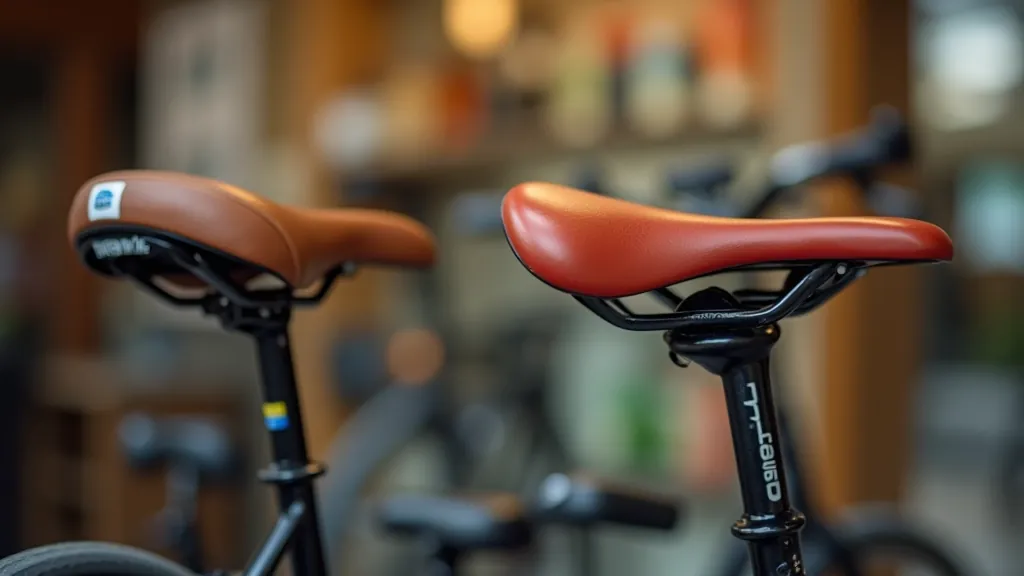
Don't underestimate the importance of a good seat. A bad saddle will ruin an otherwise perfect bike.
Comfort saddles are wider and more padded than racing saddles. They're meant to support your full sit bones, not just the narrow part a racer needs. Look for saddles labeled "comfort," "cruiser," or "touring" — these typically have gel padding and a wider profile. The length should be around 25-28 centimeters wide. When you sit on it, your sit bones should make full contact, not perch on the edges.
Many people think they need maximum padding. Actually, moderate padding works better. Too much padding compresses and shifts as you ride, creating pressure points. A well-designed comfort saddle with proper padding height distributes your weight evenly. We've found that riders testing different seats often prefer medium padding to ultra-thick saddles.
Pro tip: Don't judge a saddle by sitting on it while stationary. Test ride it. A 10-minute ride tells you far more than 10 minutes of standing in a shop. Your body settles into it differently once you're actually pedaling.
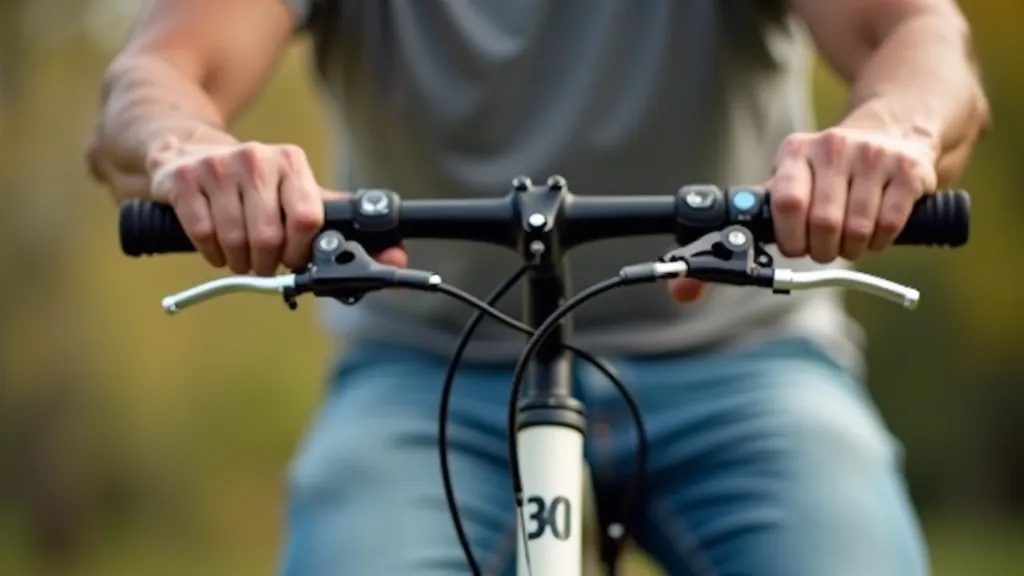
Your hands and wrists shouldn't bear excessive weight or stress. This is where handlebar height and reach come in.
For gentle cycling, you want handlebars that are level with your seat, or even slightly higher. This keeps your upper body more upright and reduces the load on your wrists and shoulders. Dropped handlebars — the curved ones you see on road bikes — aren't ideal here. They force you into a forward lean that strains your lower back and neck.
Reach is the distance from the saddle to the handlebars. Too short and you'll feel cramped, constantly hitting your knees with your elbows. Too long and you're stretched out, putting stress on your shoulders and lower back. When seated with arms relaxed, your elbows should have a slight bend — about 15-20 degrees. That's the sweet spot.
Flat handlebars or slightly swept-back bars work well. Some riders prefer cruiser-style bars with a gentle upward sweep. These encourage a more upright position naturally.
Don't assume bigger wheels are always better. For gentle cycling on varied terrain, the right size makes a real difference.
Twenty-seven-point-five inch wheels (often called 650b) or 28-inch wheels are ideal. They roll smoothly over rough patches without being as aggressive as racing wheels. They're stable and responsive — not sluggish like 24-inch wheels, but not twitchy like ultra-light racing setups.
Tire width matters too. Wider tires — somewhere between 35-50 millimeters — absorb road vibration much better than skinny racing tires. They're also more forgiving on unpaved surfaces. The extra volume means lower pressure, which cushions bumps naturally. You don't sacrifice speed on paved paths, but you gain comfort everywhere else.
Tread pattern should be moderate. You don't need aggressive knobby tires for gentle cycling, but a basic tread helps with wet conditions. Look for tires labeled "hybrid" or "comfort" — they're designed for exactly this use.

Never buy a bike without riding it first. At least 15-20 minutes on varied terrain. That's the real test.
Pay attention to small things during the test ride. Does your neck feel relaxed or are you looking down? Do your wrists ache or feel neutral? Can you reach the handlebars naturally, or are you stretching? Is the seat comfortable after five minutes, or does discomfort develop gradually?
Ask the shop staff about geometry specs. They should have frame angles, reach measurements, and wheelbase information. A good bike shop wants you to find the right fit — they'll spend time getting the positioning right because they know a proper fit means a happy customer.
The right bike is out there. It's the one that feels natural, not the one that's flashiest or cheapest. When you find it, you'll know. You'll actually look forward to riding, and that's when gentle cycling becomes something you genuinely enjoy doing.